
Is it safe to keep using
Fire and gas safety
guides.
What a burning smell means, what to do if you smell gas, and which warning signs mean stop the dryer now.
Mon–Sat, 8am–8pm
- Three guides
- Read before you book
- Says where to stop
Book a visit
Three short steps, about a minute.
or call (844) 314-5837
Loading appointment form…
The appointment form couldn’t load. Please try again.
Fire and gas safety,
guide by guide.
A clothes dryer combines heat, a steady stream of air and a fuel that collects where nobody looks: lint. On a gas model it adds a burner and a fuel line. Almost every dryer fire and every gas scare starts with a small change the owner could have noticed, a load that dried slower, a hotter cabinet, a faint smell at the back of the laundry room.
All 18 guides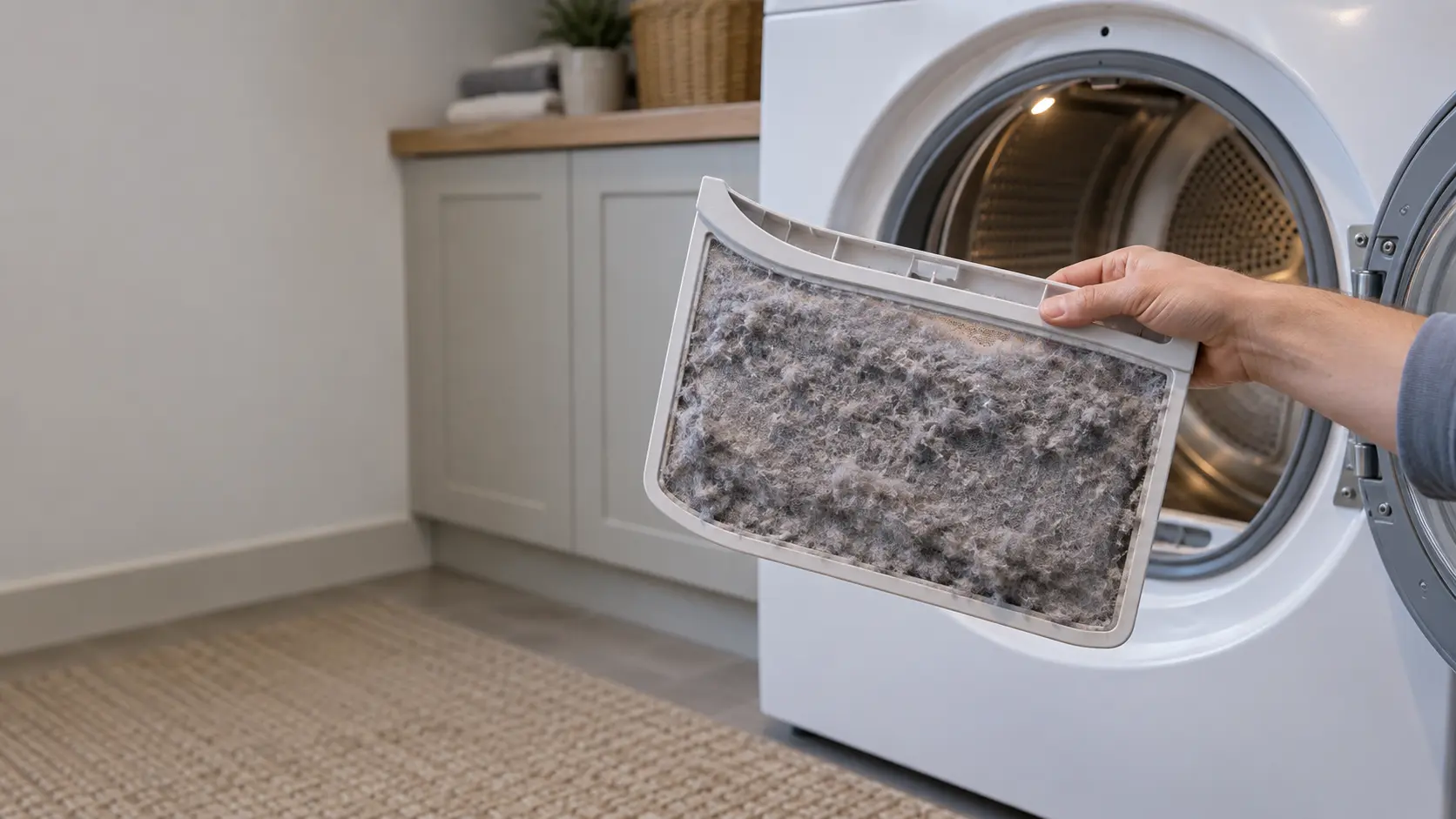
Dryer Fire Warning Signs and What Each One Means
Gas Smell Near the Dryer: What to Do

The Dryer Thermal Fuse and Why It Blows
Is it safe to keep using.
These guides explain what those changes mean and what to do about each one: which warning signs call for switching the dryer off today, what to do in the first minute after smelling gas, and why a blown thermal fuse is a message about airflow rather than a part that simply wore out. They lean on published guidance from the U.S. Fire Administration, NFPA, CPSC, gas utilities and the manufacturers' own manuals.
Read them if the dryer has started behaving differently, before booking a repair, or after moving into a home where you do not know how the dryer was installed. Where a guide says leave the house or leave the breaker off, that instruction comes before anything else on the page.
Not sure where to start?The short answerDryer Fire Warning Signs and What Each One Means
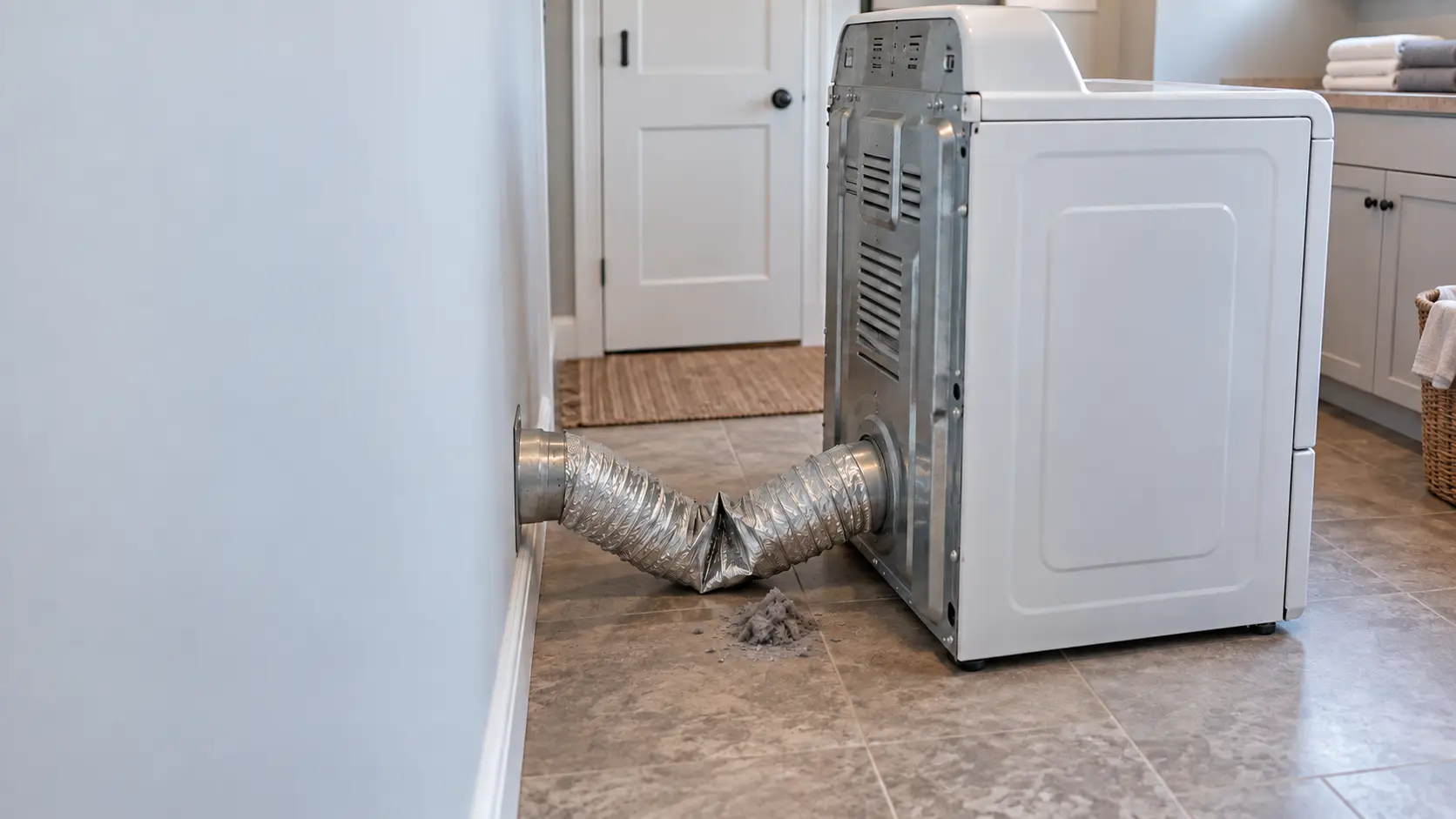
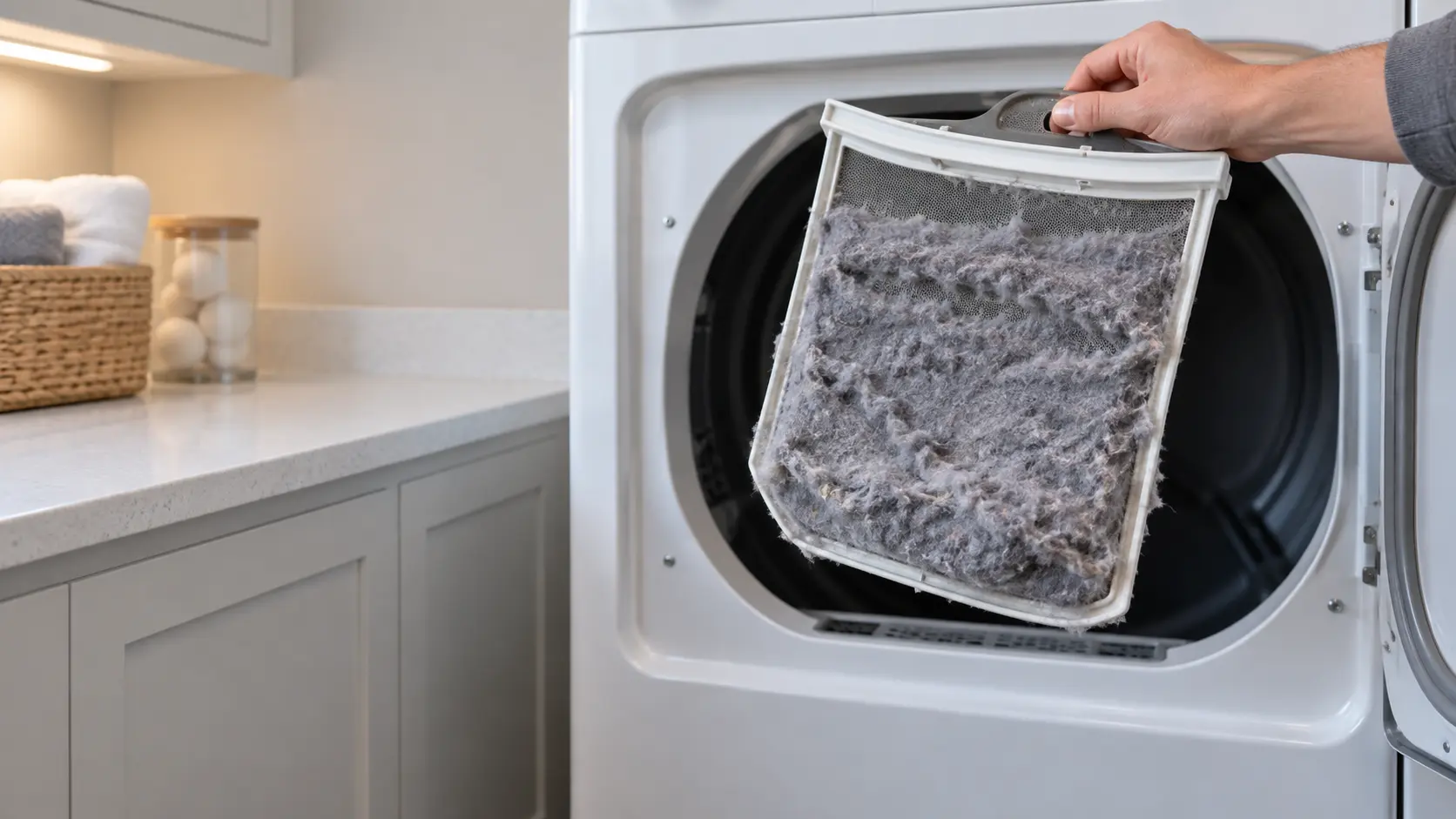
The main dryer fire warning signs are loads that need a second cycle, a cabinet or door too hot to keep a hand on, weak airflow at the outside hood, lint collecting behind the machine, and a scorched smell.
The short answerGas Smell Near the Dryer: What to Do
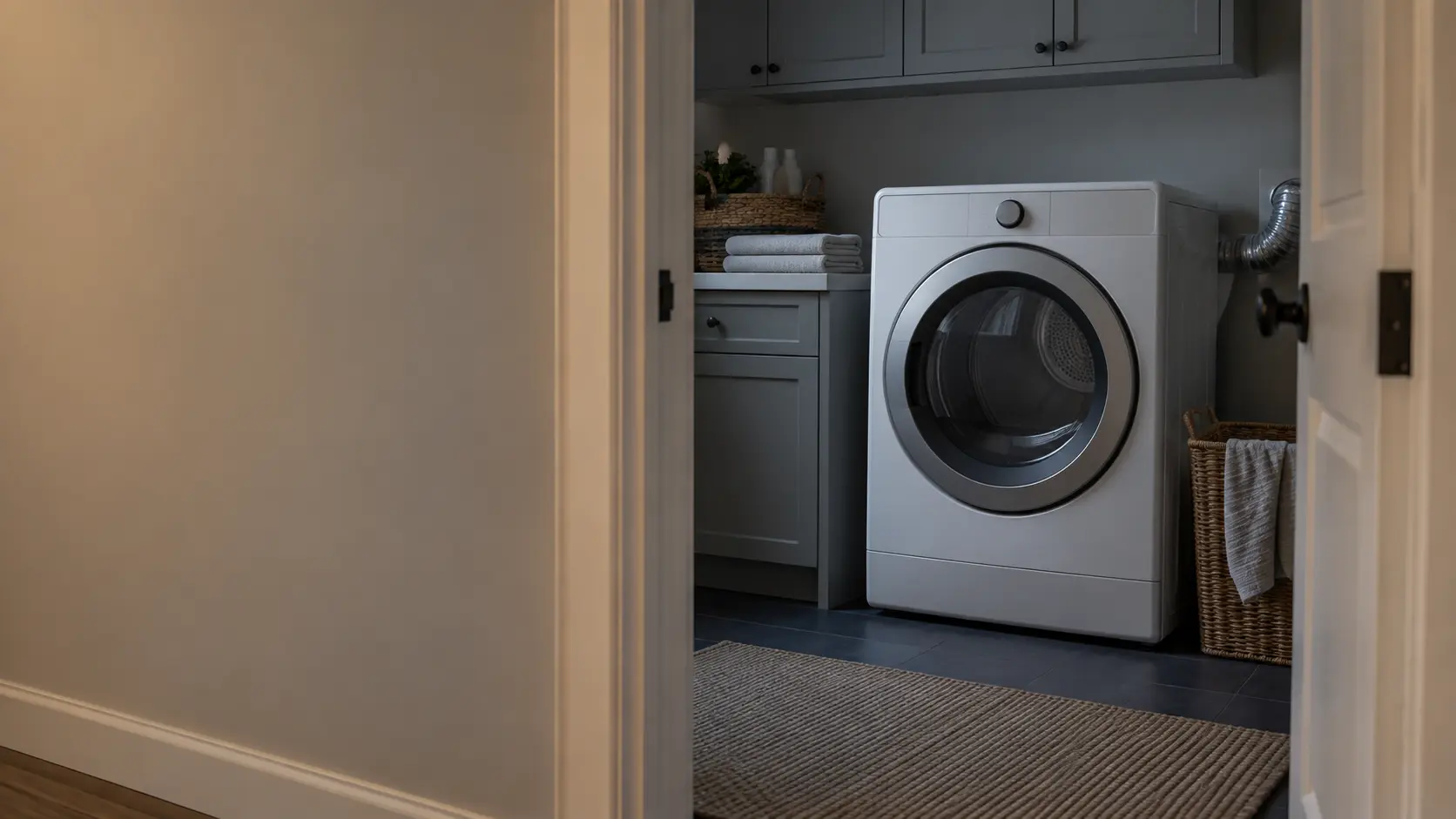
A gas dryer smell, the sulfur or rotten-egg odor utilities add to natural gas, means leave the house first.
The short answerThe Dryer Thermal Fuse and Why It Blows
A dryer thermal fuse is a single-use safety part that opens when exhaust air gets too hot, leaving the dryer dead or tumbling without heat.
When reading
is not enough.
If the checks in these guides did not settle it, the visit picks up from there, stop by stop.
What repairs cost- 01Test before touching
- 02The price comes first
- 03The right part
- 04Repair and a test load
The problems
these answer.
Each has a page of its own, with the causes in the order worth checking.
All 17 problems


Questions about
fire and gas safety.
Which dryer problems should never wait for a convenient appointment?
Is an electric dryer safer than a gas one?
Do you handle gas leaks?
The other
sections.
Split by what you are trying to find out rather than by which part of the appliance it concerns.
All guides



Back to your everyday
Let’s get your dryer working again.
Three short steps online, or one call. Tell us what you are seeing and pick a window that works.